
Racecourse Park, Northampton — Saturday 13 June 2026
Official: https://northamptoncarnival.co.uk
Origins in Civic Celebration and Early Street Traditions
Northampton Carnival has one of the most complex and layered historical trajectories of any Carnival in the Midlands, with roots that extend far beyond its modern Caribbean form. Evidence of carnival-style activity in Northampton can be traced back to the early 20th century, including civic parades and floats recorded as early as 1914. These early events were not Caribbean in origin, but they established a civic tradition of street celebration that would later provide a framework for multicultural Carnival expression.
The modern Northampton Carnival, however, emerges primarily from post-war migration and the arrival of Caribbean communities in the town during the mid-20th century. As in other parts of Britain, Caribbean residents brought with them Carnival traditions shaped by Trinidad and Tobago and other Caribbean nations, where Carnival functions as a deeply embedded cultural institution combining music, masquerade and public performance.
In Northampton, these traditions initially existed in informal forms — community gatherings, church-linked celebrations, and small-scale parades. Over time, these expressions began to merge with existing civic traditions of public celebration, gradually forming a hybrid cultural event that reflected both local history and diasporic identity.
Decline, Absence and Cultural Fragmentation
Unlike some Midlands carnivals that developed steadily from the 1970s onward, Northampton’s Carnival history is marked by periods of fragmentation and absence. By the late 1990s, the town’s Carnival activity had significantly declined, influenced by changes in funding structures, organisational capacity and shifting civic priorities.
During this period, Carnival did not disappear entirely, but it ceased to function as a consistent, city-wide annual event. Instead, cultural activity was maintained through smaller community-led initiatives, youth programmes and occasional festival-style events.
This fragmentation created a gap in Northampton’s cultural calendar that would later become important in understanding the significance of its revival. The absence of a stable Carnival structure meant that its return in the 2000s was not simply a continuation, but a reconstruction.
Revival and the Rebuilding of a Carnival Tradition
The modern revival of Northampton Carnival began in the early 2000s, driven by community organisations, cultural practitioners and local stakeholders who sought to re-establish a large-scale public celebration of multicultural identity within the town.
This revival was not a restoration of a single historical tradition but a reassembly of multiple influences: civic parade history, Caribbean Carnival culture, and contemporary community arts practice. The result was a reimagined Carnival structure that reflected Northampton’s evolving demographic and cultural landscape.
Racecourse Park became the central venue for this renewed Carnival identity. As one of the town’s largest and most historically significant public spaces, it provided the scale and flexibility needed for parades, performances and large public gatherings. Its long history as a site of civic events and recreation made it a natural location for a revived Carnival tradition.
The revival period also placed strong emphasis on inclusivity and community participation. Schools, youth organisations, cultural groups and local performers were actively integrated into the Carnival structure, ensuring that it functioned not only as an event but as a process of cultural engagement throughout the year.
Carnival Culture, Performance and Public Space
In its contemporary form, Northampton Carnival operates as both a cultural festival and a civic gathering. It brings together multiple strands of performance culture, including costume bands, dance groups, steelpan orchestras and community performance collectives.
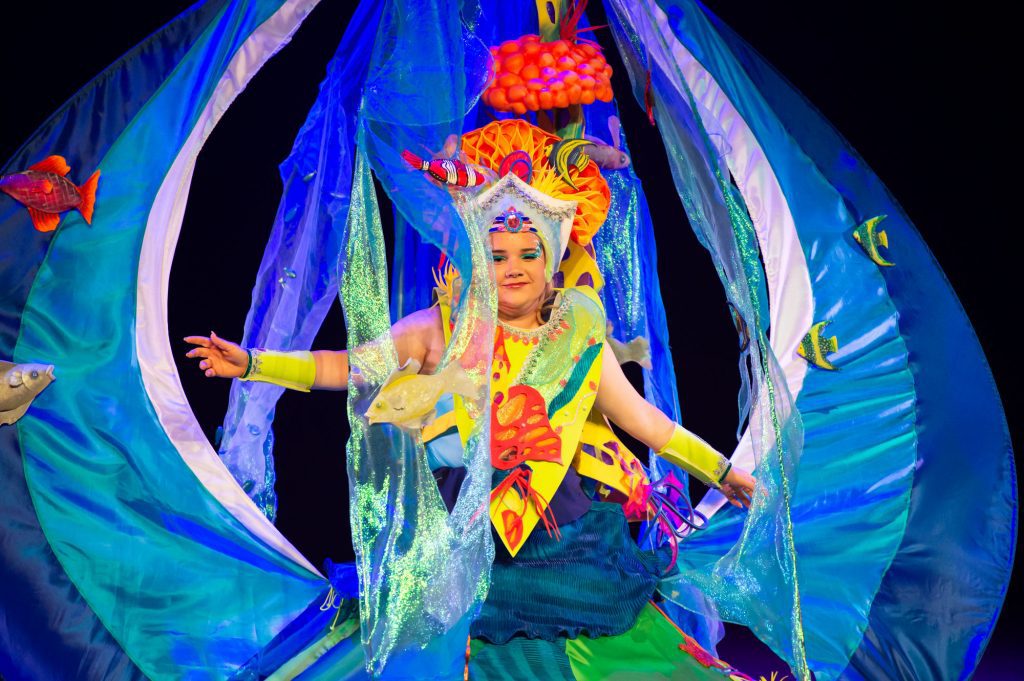
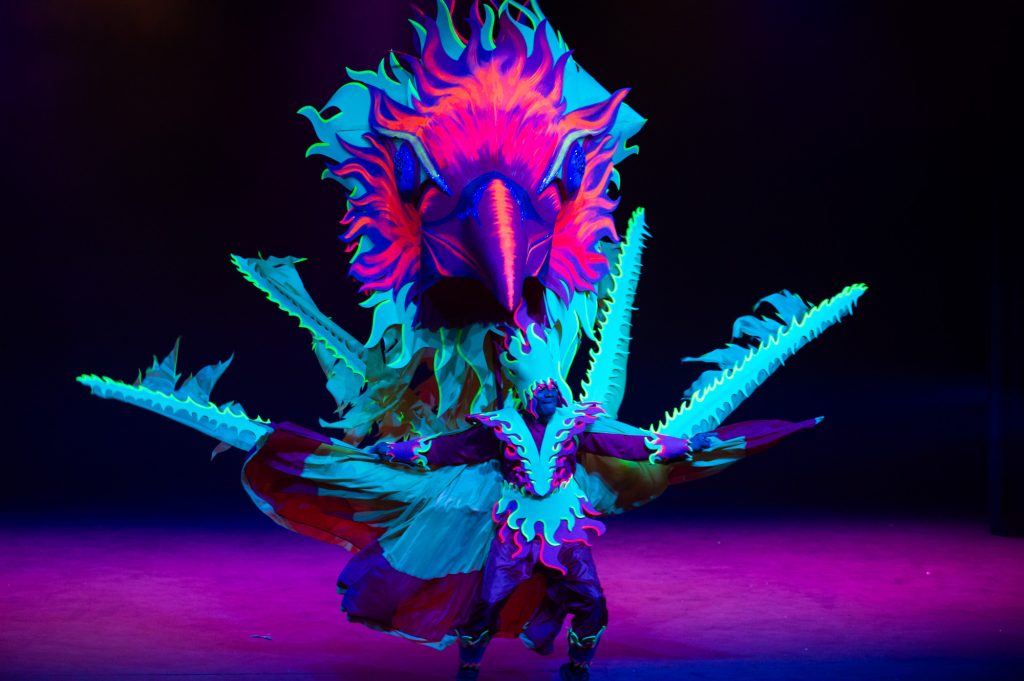
Costume design remains one of the most visually significant elements of the Carnival. Drawing on Caribbean mas traditions, costumes are used as narrative devices, expressing themes that range from historical memory to contemporary social commentary. These designs are often developed over months of preparation, involving collaboration between designers, performers and community groups.
Music plays an equally central role. Steelpan orchestras provide a direct connection to Caribbean musical heritage, while sound systems introduce a broader sonic landscape that includes reggae, soca, dancehall and Afro-Caribbean contemporary genres. Together, these musical forms create a layered sound environment that defines the Carnival experience.
Racecourse Park itself becomes a temporary cultural landscape during the Carnival. Its open fields are transformed into performance zones, food areas and community spaces, allowing the event to operate on both large and intimate scales simultaneously. This transformation of public space is one of the defining characteristics of Carnival culture, turning everyday environments into sites of collective cultural expression.
Cultural Meaning and Civic Identity
Northampton Carnival plays a significant role in shaping the town’s contemporary civic identity. Northampton is a historically diverse town, and Carnival provides a public expression of that diversity in a form that is celebratory rather than administrative or abstract.
The Carnival functions as a space of visibility, particularly for Caribbean and other diaspora communities whose cultural contributions are embedded in the town’s social fabric but not always reflected in formal civic narratives. Through Carnival, these communities are able to present cultural identity as a central rather than peripheral aspect of public life.
At the same time, the event fosters cross-community participation. It brings together residents from different cultural backgrounds in a shared environment of music, performance and celebration. This contributes to broader processes of social cohesion, not through policy frameworks but through lived cultural experience.
Northampton Carnival 2026
The 2026 edition of Northampton Carnival will take place on 13 June at Racecourse Park. It continues the modern tradition established through the early 2000s revival period, combining parade culture, live performance, community engagement and food-based cultural expression.
While each year introduces new themes and creative direction, the underlying structure remains consistent: a public celebration of multicultural identity rooted in both Caribbean Carnival traditions and Northampton’s civic history.
The event now stands as one of the key cultural moments in the town’s annual calendar, reflecting both continuity and adaptation in equal measure.
Closing Reflection
Northampton Carnival occupies a unique position within the Midlands carnival landscape. Its history is not linear but cyclical, marked by emergence, decline and revival. This makes its contemporary form particularly significant, as it represents not just cultural continuity but cultural reconstruction.
It is a Carnival shaped by absence as much as presence, and by the decision to rebuild cultural infrastructure where it had previously weakened. In doing so, it reflects a broader pattern in British Caribbean Carnival history: resilience through reinvention, and continuity through community action.
